SAAS (Software as a Service)
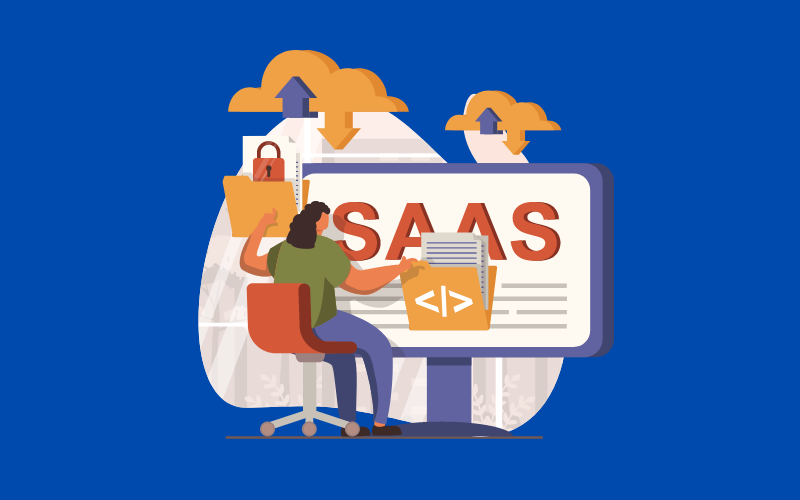
Gone are the days of clunky, on-premises software. Today, businesses of all shapes and sizes are ditching traditional software models and embracing the power of SaaS. With SaaS, software is hosted and managed by a third-party provider, and accessed by customers over the internet. That means no more IT headaches, and no more paying for software you don’t need. Plus, SaaS is constantly evolving and adapting to the latest trends and technologies. From healthcare to manufacturing, and retail to finance, SaaS platforms are popping up everywhere, tailor-made to specific niches. And with the integration of emerging technologies like AI and IoT, the sky’s the limit for SaaS. So why not hop on board and join the SaaS revolution today?

How to Use SAAS
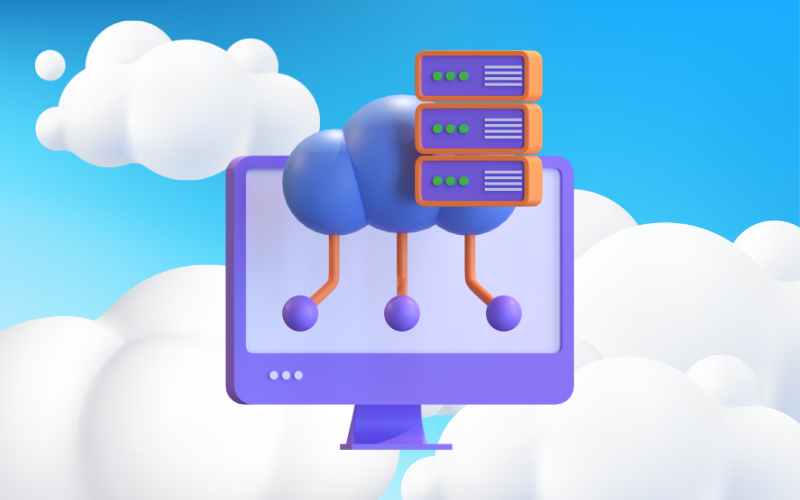
Using SaaS (Software as a Service) is relatively straightforward and simple. Here are the basic steps for using SaaS:
Identify your business needs: The first step in using SaaS is to identify the specific needs of your business. This will help you determine which SaaS platforms and services will be most beneficial to you.
Research available options: Once you have identified your business needs, research the different SaaS platforms and services that are available. Look at the features and pricing of each option to determine which one will best meet your needs.
Sign up for a service: Once you have selected a SaaS platform or service, sign up for an account. This will typically involve providing some basic information such as your name and email address, and sometimes also your credit card information.
Configure and customize the service: Once you have signed up for a SaaS service, you will typically need to configure and customize the service to meet your specific business needs. This may involve setting up user accounts, creating custom fields, or integrating the service with other tools and systems you already use.
Start using the service: Once you have configured and customized the service, you can start using it to manage and optimize your business operations, collaborate with your team, and more. The specifics of the service will depend on the SaaS platform you chose.
Business Management and Operations
SAAS platforms such as Salesforce, Zoho, and Oracle provide businesses with a variety of tools to manage and optimize their operations, from customer relationship management to human resources and accounting. And many of these platforms are now integrating AI capabilities like chatbots and predictive analytics to improve customer service and sales.
Communication and Collaboration
SAAS platforms such as Zoom, Slack, and Microsoft Teams provide businesses with tools for communication and collaboration, allowing employees to work together remotely and stay connected regardless of location. Some of these platforms also incorporate AI-powered features like automatic transcription and language translation to enhance the user experience.
E-commerce and Marketing
SAAS platforms such as Shopify, Magento and Marketo provide businesses with the tools to create and manage an online store, track and analyze customer data, and create targeted marketing campaigns. Platforms like these now employ AI-powered tools like personalized product recommendations and real-time customer behavior analysis to help businesses boost their sales and customer retention.
Supply Chain Management
SaaS platforms such as SAP and Infor provide businesses with tools to manage and optimize their supply chain operations, from inventory management to logistics and transportation. These platforms are incorporating AI capabilities such as predictive demand forecasting and automated decision-making to improve the efficiency and cost-effectiveness of supply chain operations.