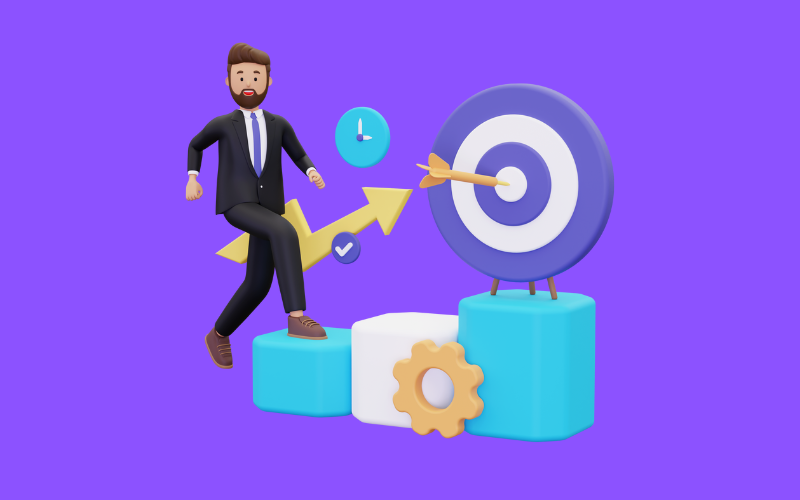
Maximizing Efficiency and Minimizing Costs
Small businesses are getting a major boost from the power of AI, which is revolutionizing the way they run operations, make decisions, and engage with customers. By incorporating AI-powered tools and technologies, small businesses can now turbocharge their efficiency and put cost-cutting on autopilot. In this article you will find a few examples of how AI is revving up the engines for small businesses.
1. Automation
Imagine if you could delegate all the tedious, time-consuming tasks to a trusty AI assistant? With AI automation, small businesses can free up valuable time and resources to focus on growing their business. Here are some fun ways to automation your business.
“Robo-Receptionist”: Imagine having a virtual receptionist that can answer calls, take messages, and even schedule appointments for your small business – all without the need of a human receptionist. With AI-powered automation, this is now a reality for small businesses.
“Inventory-Bot”: Say goodbye to manual inventory tracking and counting. With AI-powered automation, small businesses can now have a robot take care of all their inventory management needs, leaving them free to focus on growing their business.
“Bookkeeping-Bot”: Keeping track of finances can be a headache for small business owners. With AI-powered automation, small businesses can now have a robot take care of all their bookkeeping and accounting needs, so they can spend more time focusing on what they do best – running their business.
“Social Media Wizard”: Managing social media can be time-consuming and overwhelming for small businesses. With AI-powered automation, small businesses can now have a virtual assistant take care of all their social media needs, from scheduling posts to monitoring mentions and responding to messages.
“Email-Efficiency Expert”: Sorting through and responding to emails can be a major time sink for small businesses. With AI-powered automation, small businesses can now have a virtual assistant take care of all their email needs, so they can focus on growing their business.
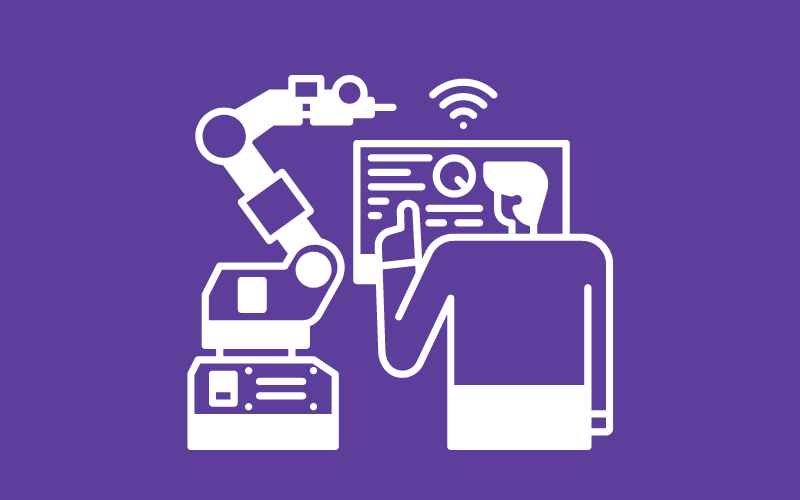
2. Predictive analytics
Small-sized companies can now have a crystal ball of data, thanks to AI-powered predictive analytics. By analyzing data, small businesses can make data-driven decisions that can help them stay ahead of the competition.
Sales forecasting: Start-ups can use predictive analytics to analyze historical sales data and forecast future sales trends. This can help them make better decisions about inventory management, staffing and marketing.
Customer churn prediction: By analyzing customer data, small businesses can predict which customers are likely to leave, and take steps to retain them.
Marketing campaign optimization: Small businesses can use predictive analytics to determine which marketing campaigns are most effective, and allocate resources accordingly.
Inventory management: Predictive analytics can help small businesses forecast demand for products and optimize their inventory levels, reducing waste and increasing efficiency.
Fraud detection: Small businesses can use predictive analytics to identify patterns of fraud and prevent it before it happens.
Predictive maintenance: By analyzing sensor data from equipment, small businesses can predict when maintenance is needed, reducing downtime and increasing productivity.
Predictive pricing: Predictive analytics can be used to analyze historical prices and sales data to predict the best prices for products, resulting in higher revenue.
These are just a few examples of how start-ups can use predictive analytics to improve their operations and drive growth. With the ability to make data-driven decisions, small businesses can stay ahead of the competition and make better use of their resources.
3.Cost savings
By automating repetitive and time-consuming tasks, small businesses can significantly reduce labor costs and improve overall efficiency, allowing them to put more money back in their pockets. Here are some ways how to save money.
Automating bookkeeping and accounting: Accounting with AI software can automatically track expenses and income, generate financial reports, and even handle payroll and tax compliance. By automating these tasks, small businesses can reduce the need for a dedicated accountant and save on labor costs.
Optimizing inventory management: AI-powered inventory management software can analyze sales data and predict future demand for products, allowing small businesses to make more informed decisions about inventory levels and avoid stock-outs or overstocking. This can help reduce the costs associated with excess inventory.
Streamlining customer service: AI chatbots and virtual assistants can handle customer inquiries and support requests around the clock, reducing the need for a dedicated customer service team. This can help small businesses save on labor costs and improve customer satisfaction by providing immediate assistance.
Reducing marketing costs: AI marketing tools can analyze data from customer interactions and predict which marketing campaigns are most likely to be successful. By targeting the most effective marketing strategies, small businesses can reduce costs associated with ineffective campaigns.
Enhancing supply chain management: AI supply chain management tools can analyze data and predict demand, optimize production schedules and inventory levels, and provide real-time visibility into the supply chain. This can help small businesses save on costs associated with production delays, stock-outs, and other supply chain disruptions.
In short, AI is providing small businesses with the tools and technologies they need to optimize their operations, improve customer engagement and drive growth and revenue. With the ability to access the benefits of AI, small businesses can now compete on the same level as larger companies and gain a competitive edge in the market. So, buckle up and get ready for a wild ride!